
Nepal Wellness Tourism Year 2027: What It Means for Dolpo Trekkers
Wellness travel is no longer a niche interest. Millions of travelers now choose their next trip based on how it will make them feel, not just what they will see. Nepal has taken notice, and it's betting big on this shift.
The government has designated 2027 as Nepal Wellness Tourism Year, also widely referred to as Nepal Wellness Year, and if you're trying to figure out what that actually means for your travel plans, you're not alone. Most of the coverage so far focuses on Kathmandu retreats, yoga studios, and spa resorts. What it rarely mentions is a region that has been living wellness tourism for decades without ever calling it that: Dolpo.
Long before "digital detox" became a marketing term, Dolpo's remoteness made it a practical reality. This article breaks down what Nepal Wellness Tourism Year 2027 actually is, why Dolpo fits the vision more naturally than almost anywhere else in the country, and how to plan a wellness-focused trek there.
|
Quick Answer Nepal Wellness Tourism Year 2027 is a national campaign launched by the Nepal Tourism Board and the Ministry of Culture, Tourism, and Civil Aviation to position Nepal as a global wellness destination through yoga, meditation, Ayurveda, and nature-based healing. For trekkers, it highlights regions where wellness is built into daily life rather than sold as a package. Dolpo, in Western Nepal, qualifies through its untouched landscapes, slow-paced villages, and living Tibetan Buddhist culture, making it one of the country's most authentic wellness trekking destinations. |
Why Dolpo Is Nepal's Ultimate Wellness Trek
♦ Nepal Wellness Tourism Year 2027 highlights mindful, nature-based travel experiences.
♦ Dolpo naturally fits the vision with its untouched landscapes, slow-paced lifestyle, and Tibetan Buddhist heritage.
♦ Wellness comes through trekking, meditation, digital detox, and cultural immersion rather than luxury spas.
♦ Shey Phoksundo Lake, ancient monasteries, and remote villages create a peaceful environment for mental and emotional well-being.
♦ Upper Dolpo suits experienced trekkers seeking solitude, while Lower Dolpo is a more accessible introduction.
♦ Traveling with local guides supports communities and ensures an authentic, responsible wellness journey.
What Is Nepal Wellness Tourism Year 2027?
Nepal Wellness Tourism Year 2027 was officially announced by the Nepal Tourism Board (NTB), in coordination with the Ministry of Culture, Tourism and Civil Aviation, during International Wellness Day celebrations in Kathmandu on April 15, 2026. The announcement included the launch of a National Wellness Tourism Strategy and confirmed plans for a dedicated Wellness Calendar coordinating events across the country in the lead-up to 2027.
The campaign was not a sudden development. Nepal proposed the United Nations resolution that established April 15 as International Wellness Day, adopted in March 2026, which anchors the country's formalized transition toward a long-term national wellness framework. Government officials have described the initiative as more than a single promotional year; it's the visible front end of a 10-year national strategy running through 2035, intended to diversify Nepal's tourism identity beyond adventure and mountaineering.
Wellness tourism in Nepal is built on a genuine advantage: the country doesn't need to create wellness infrastructure from scratch. The raw material already exists in the following forms:
♦ High-altitude landscapes with genuinely fresh air and low pollution
♦ Centuries-old Tibetan Buddhist and Hindu spiritual traditions
♦ Yoga and meditation practices rooted in local culture, not imported for tourists
♦ Ayurvedic and Himalayan herbal healing traditions
♦ Rural, community-based lifestyles that already run at a slower pace
|
Did you know? Nepal's Wellness Tourism Year 2027 is not simply about wellness resorts and spa menus. It's a push toward holistic travel experiences where nature, culture, spirituality, movement, and mental well-being intersect, which is precisely the model that trekking regions like Dolpo have quietly followed for generations. |
Thinking about experiencing wellness in Nepal beyond traditional retreats? Explore Dolpo trekking itineraries and discover authentic journeys through one of the Himalayas' most peaceful and untouched regions.
What Will Actually Change for Dolpo Trekkers in 2027?
For trekkers already interested in Dolpo, the campaign is likely to shift a few practical things:
♦ Greater global visibility: More international travelers will discover lesser-known regions like Dolpo as Nepal's wellness campaign gains international coverage.
♦ More wellness-focused itineraries: Trekking agencies may start combining hiking with meditation, cultural immersion, and other mindful travel elements.
♦ Stronger focus on sustainable tourism: Expect greater emphasis on responsible trekking, community-based tourism, and environmental conservation across the region.
♦ Improved local experiences: More trained local guides and wellness-themed activities may become available as demand grows.
Potential increase in demand: Booking early may matter more as Dolpo gains recognition among wellness travelers.
Why Dolpo Perfectly Represents Nepal's Wellness Tourism Vision
Nepal's wellness campaign talks about nature, spirituality, and slow travel as ideals to build toward. Dolpo already loves them. Three qualities set it apart from almost anywhere else in the country.
1. One of Nepal's Last Untouched Himalayan Regions
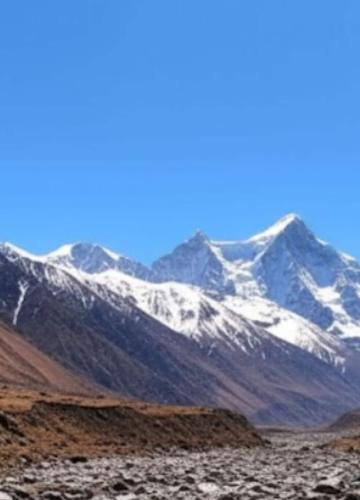
Dolpo sits behind the Dhaulagiri and Kanjiroba ranges, geographically and culturally closer to the Tibetan Plateau than to Kathmandu. That isolation has kept the Upper Dolpo Trek largely outside the mass-tourism circuits that shape places like the Everest and Annapurna regions.
Trekkers arrive to find the following:
♦ Trails that see a fraction of the foot traffic of Nepal's popular circuits
♦ Villages that function on their own rhythm, not a tourist season calendar
♦ Teahouses and homestays run by local families rather than commercial lodges
♦ Minimal signage, souvenir shops, or Wi-Fi cafés along the route
This isn't remoteness for its own sake. It's the reason Dolpo still feels authentic rather than staged, which is exactly what wellness travelers are searching for when they say they want a "real" experience.
2. Wellness Begins with Nature
Dolpo's physical environment does a lot of the wellness work before a single yoga mat is unrolled. Trekkers move through high Himalayan landscapes at elevations that demand slower, more deliberate movement through valleys where the loudest sound is wind or a distant yak bell.
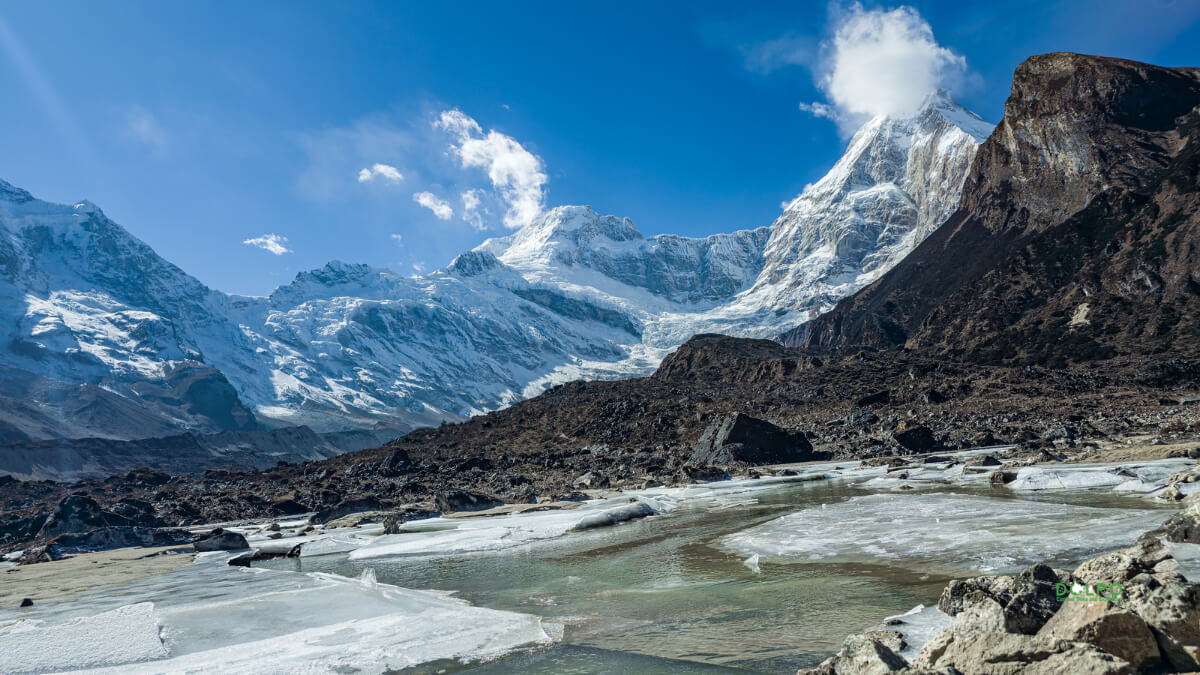
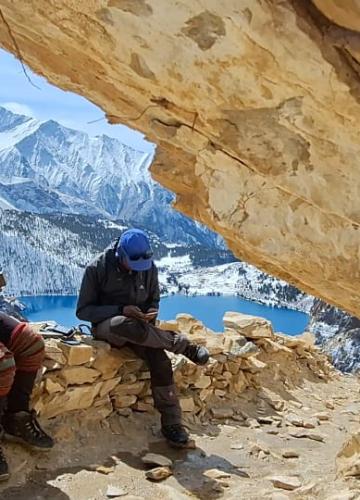
Shey Phoksundo Lake, inside Shey Phoksundo National Park, is the region's most striking natural landmark: a turquoise glacial lake ringed by cliffs and pine forest. For many trekkers, simply sitting at its shore is the closest thing to a guided meditation session they'll experience in Dolpo, minus the guide.
3. Wellness Through Ancient Tibetan Buddhist Culture
Dolpo's spiritual character comes from centuries of Tibetan Buddhist practice, still actively lived rather than preserved as a museum piece. Trekkers pass:
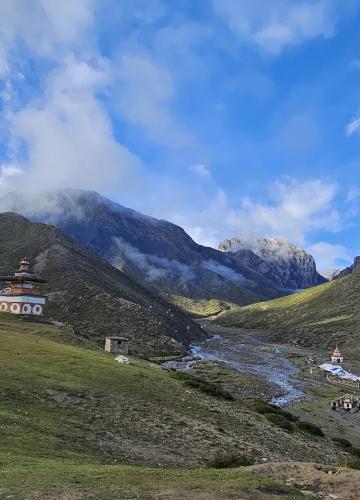
♦ Ancient monasteries (gompas), some centuries old, still in daily use
♦ Prayer flags strung across passes and rivers
♦ Chortens and mani walls marking trail junctions and village entrances
♦ Communities where meditation, compassion, and mindfulness are cultural norms, not imported wellness vocabulary
Walking through this landscape means walking through a living expression of the same values that wellness tourism tries to package elsewhere.
How Trekking in Dolpo Supports Physical, Mental, and Emotional Wellness
Wellness trekking in Nepal is more than an adventure activity. In Dolpo, trekking is a genuine wellness experience that supports physical, mental, and emotional well-being.
1. Physical Wellness
Multi-day trekking is sustained, low-impact cardiovascular exercise. Walking for several hours a day, across varied terrain and altitude, builds endurance and strengthens the cardiovascular system over the course of a trek. The gradual altitude gain in Dolpo also forces the body to adapt physiologically, which many trekkers report comes with an unexpected side benefit: deeper, more restorative sleep at altitude, once the body has acclimatized.
2. Mental Wellness
Most of Dolpo has no mobile signal and no Wi-Fi. That absence isn't an inconvenience; it's arguably the region's biggest wellness asset. Days without notifications, feeds, or inboxes tend to reduce background stress and restore attention span. Trekkers commonly describe a shift partway through a Dolpo trek, where the mind stops reaching for a phone that isn't there and starts settling into the rhythm of the trail.
3. Emotional Wellness
Multi-day treks in remote regions also produce emotional shifts that are harder to quantify but frequently reported: a sense of achievement from completing a demanding route, growing confidence with each pass crossed, and genuine connection with local guides, porters, and villagers met along the way. Many trekkers leave Dolpo describing gratitude for the landscape, the culture, and their own physical capability as one of the trip's lasting takeaways.
Did You Know? Long-distance walking in nature is widely regarded by wellness researchers as one of the most effective, low-cost ways to reduce stress and improve mental well-being, largely because it combines physical exertion, natural surroundings, and sustained attention away from screens.
What Wellness Travelers Can Experience in Dolpo
A Dolpo trek isn't one wellness activity strung together with hiking. It's several things happening at once. Here's how the pieces fit.
| Experience | Wellness Benefit |
| Trekking | Physical fitness |
| Meditation in monasteries | Mental clarity |
| Visiting local villages | Cultural well-being |
| Shey Phoksundo Lake | Relaxation |
| Wildlife watching | Mindfulness |
| Camping under the stars | Emotional wellness |
| Local organic food | Healthy nutrition |
| Photography | Creative wellbeing |
A memorable Dolpo trek starts with local knowledge. Meet the Dolpo Treks team and learn how experienced local guides create safe, meaningful, and culturally immersive trekking experiences.
Upper Dolpo vs Lower Dolpo for Wellness Travelers
Not every wellness trekker needs the same trip. Upper and Lower Dolpo suit different fitness levels, timelines, and reasons for going.
| Factor | Upper Dolpo | Lower Dolpo |
| Best for | Spiritual journeys, experienced trekkers | First-time wellness trekkers |
| Trip length | Longer expeditions | Shorter, more accessible routes |
| Cultural depth | Ancient, high-altitude monasteries | Scenic villages, easier cultural access |
| Terrain difficulty | Higher passes, more demanding | More moderate trekking |
| Permit status | Restricted area, special permit required | Restricted area, permit required (generally simpler) |
| Ideal traveler | Those seeking deep immersion and solitude | Nature lovers wanting an introduction to Dolpo |
Upper Dolpo rewards trekkers willing to commit to a longer, higher, more demanding route, with some of the most remote monasteries in Nepal along the way. The Lower Dolpo Trek delivers much of the same natural beauty and cultural texture, including access toward Shey Phoksundo Lake, in a more approachable package for trekkers newer to high-altitude, multi-day trekking.
Why Dolpo Is Different from Other Wellness Destinations in Nepal
Everest, Annapurna, and Mustang all offer genuine natural beauty and cultural interest, but they've also absorbed decades of steadily growing trekking tourism. Teahouses along the Everest Base Camp and Annapurna Circuit routes now commonly offer Wi-Fi, and popular seasons bring crowded trails and busy lodges.
Dolpo, by contrast, still offers:
♦ Meaningfully fewer trekkers per trail
♦ Culture that hasn't been reshaped around tourist expectations
♦ Longer, uninterrupted stretches of silence
♦ A more complete digital detox, simply because the infrastructure for constant connectivity isn't there
♦ Less commercial development around trekking routes
This isn't a criticism of Nepal's more popular regions. It's a recognition that different travelers want different intensities of wellness, and Dolpo sits at the deepest end of that spectrum.
Planning a Wellness Trek in Dolpo During Nepal Wellness Tourism Year 2027
Interest in Dolpo is one thing; a workable trip plan is another. These are the practical basics to sort out before you go.
♦ Best seasons: Spring (roughly March to May) and autumn (roughly September to November) offer the most stable weather and clearest mountain views and are the standard trekking windows for Dolpo.
♦ Fitness preparation: Dolpo treks involve consecutive days of walking at altitude, often with significant elevation gain. Building cardiovascular fitness and doing regular hiking with a loaded pack in the weeks before departure makes a meaningful difference.
♦ Permits and guide requirements: Both Upper and Lower Dolpo are restricted areas, which means trekkers need a special permit arranged through a registered trekking agency, and travel with a licensed guide is mandatory. Permit costs and rules are updated periodically, so confirm current requirements directly with your trekking operator before booking.
♦ Trek duration: Lower Dolpo routes typically run 16–20 days, while Upper Dolpo expeditions extend to roughly 23–27 days, depending on the specific itinerary and route variation chosen.
♦ To support sustainable tourism, hire local guides and porters, stay in community-run lodges where possible, carry out non-biodegradable waste, and always ask before photographing people or entering monasteries.
Why Choose Dolpo Caravan Treks for Your Wellness Journey
Dolpo Caravan Treks is founded and run by guides from the Dolpo region itself, not outside operators offering Dolpo as one destination among many. That distinction matters for a wellness-focused trip, where the value comes from depth of local knowledge rather than a standardized itinerary.
What that looks like in practice:
♦ Guides who grew up in Dolpo's villages and monastery traditions, with firsthand understanding of local customs, etiquette, and sacred sites
♦ A community-owned structure, meaning trekking income supports the region directly rather than flowing to a distant head office
♦ Personalized route planning based on fitness level, available time, and whether a trekker is drawn more to Upper Dolpo's spiritual depth, where Upper Dolpo is more challenging, or Lower Dolpo's accessibility.
♦ A working commitment to responsible, low-impact trekking practices, in line with the sustainability principles at the center of Nepal Wellness Tourism Year 2027
For travelers who want their trip to genuinely reflect Dolpo's culture and pace, rather than a generic trekking package with Dolpo as the backdrop, that local grounding is the difference between visiting the region and actually experiencing it.
Final Thoughts
Nepal wellness travel is gaining global attention, and Nepal Wellness Tourism Year 2027 encourages travelers to see the country not just as a place to summit peaks but as a destination for genuine reconnection with nature, culture, and themselves. Dolpo didn't need a national campaign to become a wellness destination. Its remoteness, its living Tibetan Buddhist heritage, and its unhurried village life have quietly delivered that experience for generations.
A trek through Dolpo, particularly during a year when Nepal is actively spotlighting wellness travel, offers more than scenery. It offers the kind of slow, immersive experience that wellness tourism promises elsewhere and rarely fully delivers. If that's the trip you're looking for, explore Dolpo responsibly, with guides who know the region from the inside out.
Ready to experience the wellness benefits of Dolpo for yourself? Contact Dolpo Caravan Treks to start planning a personalized adventure with trusted local experts.
FAQs
What is Nepal Wellness Tourism Year 2027?
It's a national campaign launched by the Nepal Tourism Board and the Ministry of Culture, Tourism, and Civil Aviation to promote Nepal as a global wellness destination through yoga, meditation, Ayurveda, and nature-based healing, backed by a 10-year national strategy running through 2035.
Why is Dolpo considered a wellness destination?
Dolpo offers remote, uncrowded Himalayan landscapes, a living Tibetan Buddhist culture, and a naturally slow pace of travel, the same qualities Nepal's wellness campaign promotes, without needing purpose-built wellness resorts.
Is Dolpo suitable for first-time trekkers?
Lower Dolpo is a reasonable option for trekkers newer to high-altitude, multi-day trekking, provided they prepare physically. Upper Dolpo is better suited to trekkers with prior high-altitude trekking experience.
What wellness experiences are available during a Dolpo trek?
Daily trekking, time at Shey Phoksundo Lake, visits to ancient monasteries, wildlife watching, camping under clear night skies, and immersion in local village life all contribute to the trip's wellness value.
Is meditation possible during the trek?
Yes. Many trekkers use quiet moments at monasteries, lakeside stops, or evening camps for informal meditation, and some monasteries welcome respectful visitors during certain practices.
What is the best time to visit Dolpo?
Spring and autumn offer the most stable weather and best visibility, making them the standard trekking seasons for Dolpo.
How long does a wellness trek in Dolpo take?
Lower Dolpo itineraries typically run 16–20 days, while Upper Dolpo expeditions run roughly 23–27 days due to the greater distances and higher passes involved. Exact duration depends on the specific route chosen.

Leave Your Comment